
Home

Organic Products
Organic Products
Pulses:
Pulse” is a derivation from the Latin words puls or pultis meaning “thick soup”. Pulse crops are small but important members of the legume family, which contains over 1,800 different species. Pulse crops are the seeds of legumes that are used as food, and include peas, beans, lentils, chickpeas and faba beans.
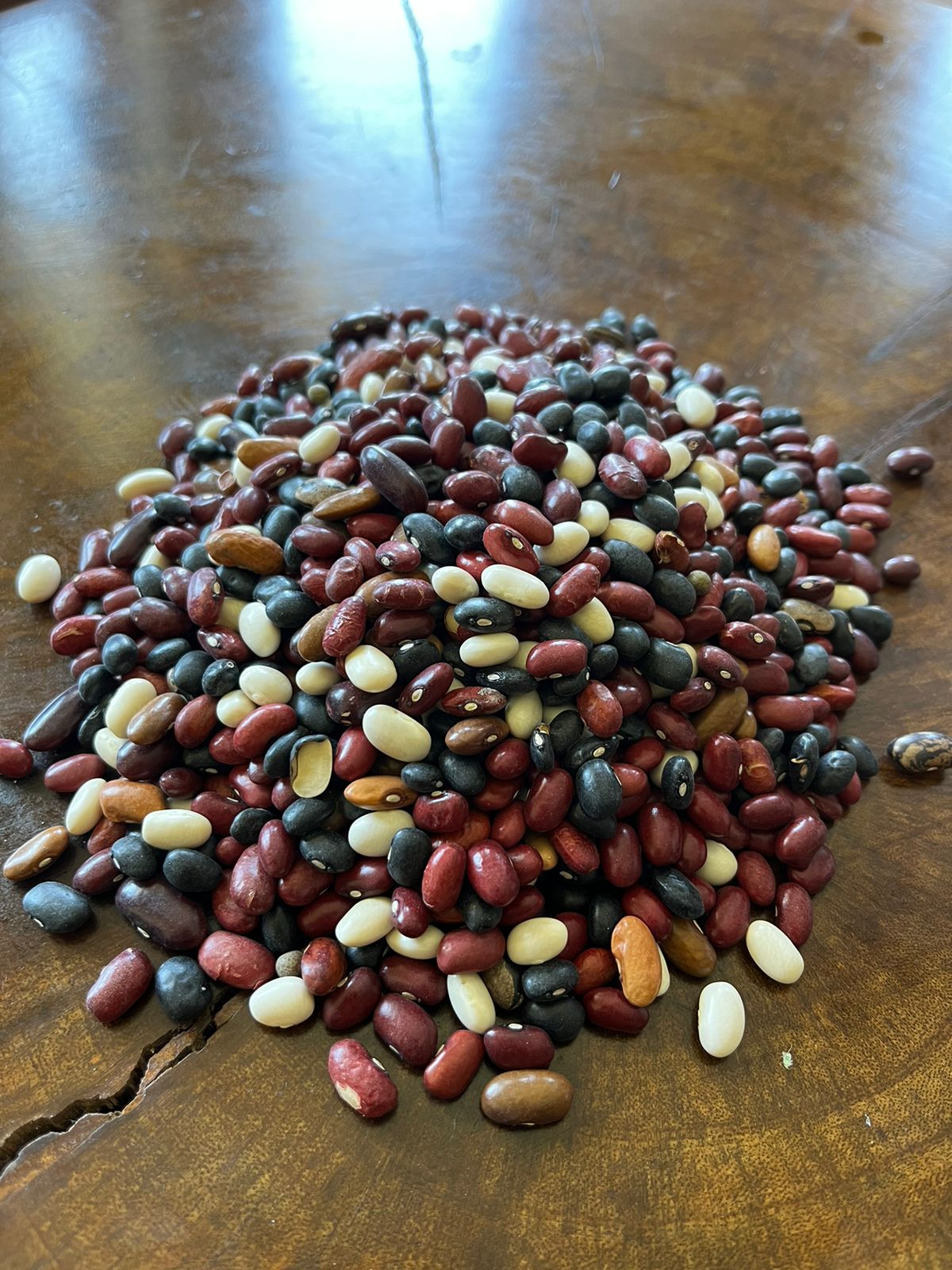
Types of Pulses:
Red Kidney Beans, White Kidney Beans, Snake Beans, Butter Beans, Green Gram, Black gram split, Garbanzo Beans, Black Eyed Peas.
Benefits:

Pulses provide protein and fibre, as well as a significant source of vitamins and minerals, such as iron, zinc, folate, and magnesium.
Pulses like beans, lentils and peas are great for your health, especially if you have a heart condition
Rice:
Rice, (Oryza sativa), edible starchy cereal grain and the grass plant (family Poaceae) by which it is produced. Roughly one-half of the world population, including virtually all of East and Southeast Asia, is wholly dependent upon rice as a staple food; 95 percent of the world's rice crop is eaten by humans.
Types:
Dehradun Basmati, Brown Rice, Golden Sella, Ponni, Jasmine Rice, Red Rice.
Benefits:
Rice is a rich source of carbohydrates, the body's main fuel source.
Carbohydrates can keep you energized and satisfied, and are important for fueling exercise.
Brown rice, especially, is an excellent source of many nutrients, including fiber, manganese, selenium, magnesium, and B vitamins.
Eating white rice benefits for skin and prevents Alzheimer's Disease, has Diuretic & Digestive Qualities, improves metabolism.
Grains:
Grain is the harvested seed of grasses such as wheat, oats, rice, and corn. Other important grains include sorghum, millet, rye, and barley. Around the globe, grains, also called cereals, are the most important staple food. Humans get an average of 48 percent of their calories, or food energy, from grains.
Types of Grains:
Millet, Buckwheat, Maize, Sorghum, Pearl Millet
Benefits:
Whole-grain foods are good choices for a nutritious diet. Whole grains provide fiber, vitamins, minerals and other nutrients.
Whole-grain foods help control of cholesterol levels.
Heart disease and other conditions.
Lower the risk of diabetes.
Dry Fruits:
Dried fruit is fruit from which the majority of the original water content has been removed either naturally, through sun drying, or through the use of specialized dryers or dehydrators.
Types :
Himalyan Walnut
Benefits:
Dry fruits are rich in potassium, magnesium, calcium, zinc, phosphorus and various vitamins like vitamin A, D, B6, K1 and E.
Dry fruits with high levels of polyphenols help improve immunity by showing anti-inflammatory effects.
Spices:
Spices and herbs are defined as plant derived substances that add flavor to any dish. It is difficult to distinguish between the two. Spices can come from the following plant parts: roots, rhizomes, stems, leaves, bark, flowers, fruits, and seeds.
Types of Spices:
Turmeric, Cinnamon, Black Pepper, Cloves.
Benefits:
Spices antioxidant, anti-inflammatory, antitumorigenic, anticarcinogenic, and glucose- and cholesterol-lowering activities as well as properties that affect cognition and mood.
Antioxidant and cancer fighting properties. Anti-inflammatory effects.
Treats bad breath and prevents cavities and Helps to reduce cholesterol levels.
High in antioxidants and Helps to reduce risk of heart disease.
Herbs:
Herbs are the leaf part of a plant that is used in cooking - these can be used fresh or dried. Any other part of the plant, which is usually dried, is referred to as a spice.
Types :
Mountain Coriander, Fenugreek
Benefits:
Consuming herbs may help to prevent and manage heart disease, cancer and diabetes. It may also help to reduce blood clots and provide anti-inflammatory and anti-tumour properties. Research is ongoing but studies have shown that: Garlic, linseed, fenugreek and lemongrass may help lower cholesterol.
FRUITS:
A fruit is a mature, ripened ovary, along with the contents of the ovary. The ovary is the ovule-bearing reproductive structure in the plant flower. The ovary serves to enclose and protect the ovules, from the youngest stages of flower development until the ovules become fertilized and turn into seeds.
Types :
Alphonso Mangoes, Langra Mangoes, Malihabaadi Mangoes, Apples, Coconut.
Benefits:
Eating a diet high in fruits and vegetables can reduce a person's risk of developing heart disease, cancer, inflammation, and diabetes.
Fruits are an excellent source of essential vitamins and minerals, and they are high in fiber.
Fruits also provide a wide range of health-boosting antioxidants, including flavonoids and Increase your fiber intake.
Get more vitamins and minerals than processed foods.Increase your fiber intake.
AGRICULTURAL PRODUCTS:
Vegetables:
A vegetable is the edible portion of a plant. Vegetables are usually grouped according to the portion of the plant that is eaten such as leaves (lettuce), stem (celery), roots (carrot), tubers (potato), bulbs (onion) and flowers (broccoli). A fruit is the mature ovary of a plant.
Types :
Onions, Potatoes, Capsicum, Carrots, Tomatoes.
Benefits:
Vegetables are important sources of many nutrients, including potassium, dietary fiber, folate, vitamin A, and vitamin C.
A diet rich in vegetables and fruits can lower blood pressure, reduce the risk of heart disease and stroke.
Most vegetables are naturally low in fat and calories. Diets rich in potassium may help to maintain healthy blood pressure.
Lower risk of eye and digestive problems. Positive effect upon blood sugar.
Frequently Asked Questions
Contact Us
Fill out the form to learn more about our services and how we can assist in your import and export needs.
10 am - 6 pm (Mon to Sat) Sunday closed.
© Storm Holdings Private Limited 2025